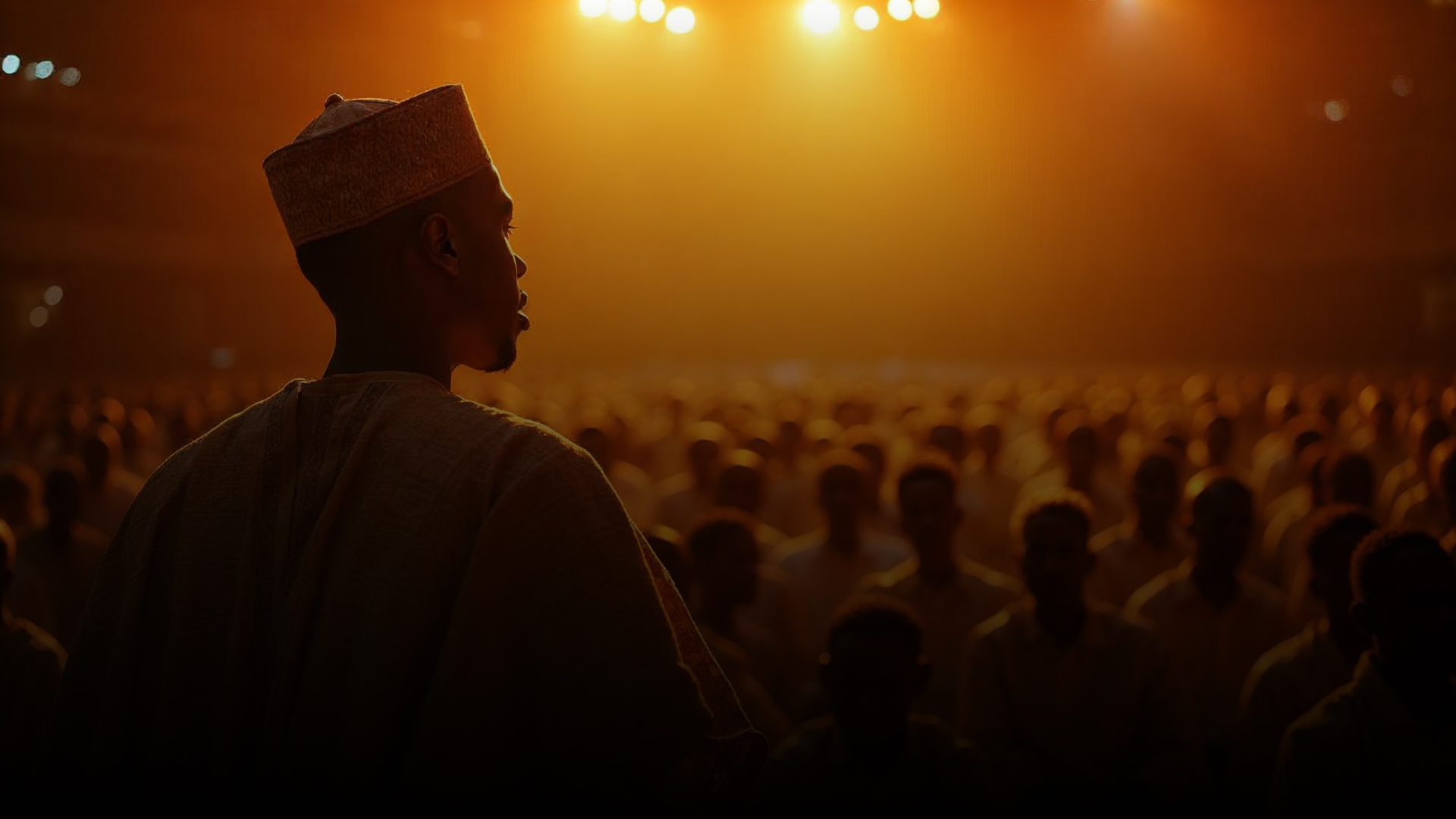
Oluwadare stands amidst community members, sharing a moment of honest dialogue and mutual respect.
Oluwadare stands amidst community members, sharing a moment of honest dialogue and mutual respect.
Despite making up more than half of Nigeria’s population, the youth remain largely underrepresented in political leadership and decision-making. This article explores why bridging this generational gap is vital for a progressive, accountable, and inclusive democracy — and how young Nigerians are stepping up, supported by leaders like Oluwadare.
With over 70% of Nigerians under the age of 30, the youth are not just the future they are the present. Yet, the corridors of power are still dominated by older generations. This imbalance creates a disconnect between policy and the lived realities of millions of young Nigerians.
Systemic barriers such as high nomination fees, lack of mentorship, limited access to political networks, and distrust in government processes discourage youth participation. The “Not Too Young To Run” movement made strides, but more needs to be done beyond legislation.
Leadership is not about being ahead, it’s about walking beside those you serve.

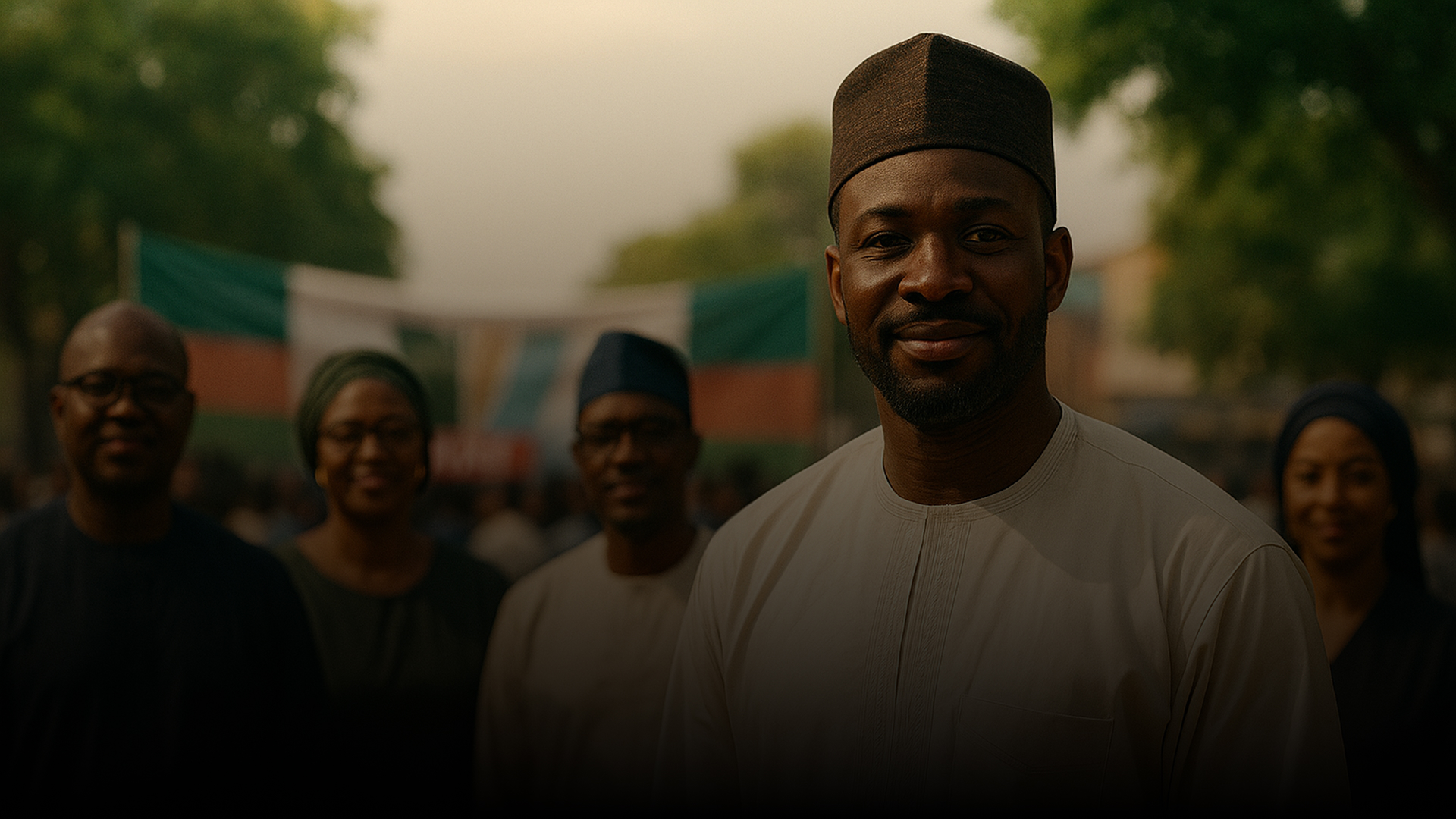
Captured during a local outreach, Oluwadare engages with citizens on ground realities.
Captured during a local outreach, Oluwadare engages with citizens on ground realities.
Despite making up more than half of Nigeria’s population, the youth remain largely underrepresented in political leadership and decision-making. This article explores why bridging this generational gap is vital for a progressive, accountable, and inclusive democracy — and how young Nigerians are stepping up, supported by leaders like Oluwadare.
With over 70% of Nigerians under the age of 30, the youth are not just the future they are the present. Yet, the corridors of power are still dominated by older generations. This imbalance creates a disconnect between policy and the lived realities of millions of young Nigerians.
Systemic barriers such as high nomination fees, lack of mentorship, limited access to political networks, and distrust in government processes discourage youth participation. The “Not Too Young To Run” movement made strides, but more needs to be done beyond legislation.
Recognizing this critical need, Oluwadare has launched mentorship programs, opened local political forums for youth, and prioritized education and digital literacy in his policy framework. His work seeks not just to speak to youth but to bring them directly into the decision-making process. 5. What Inclusion Really Looks Like Youth inclusion isn’t just about numbers — it’s about trust, accountability, and shared governance. It’s about building systems where young voices shape the laws that impact them.


